

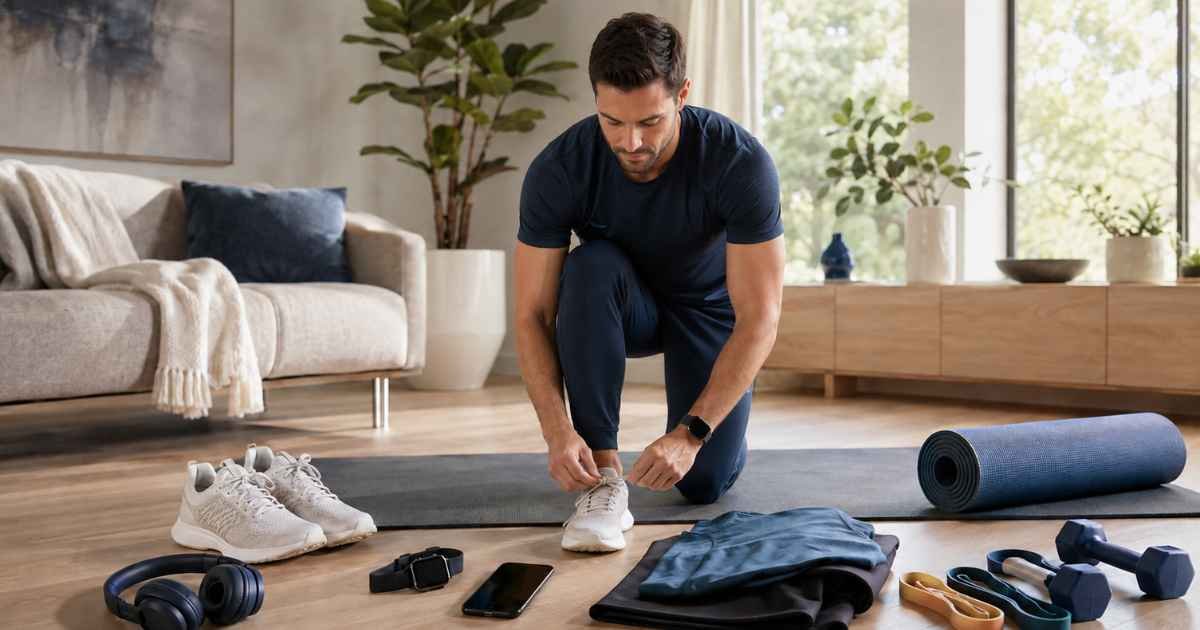
Modern shopping is no longer limited to choosing products from a single category. Today’s consumers are building connected lifestyles where electronics, clothing, and fitness products work together to improve comfort, performance, and everyday convenience. From wearable devices that track daily activity to comfortable apparel designed for movement, the products people choose can influence how they exercise, work, travel, and relax. Understanding this connection helps shoppers make smarter decisions and invest in items that genuinely support their needs.
Electronics have become an important part of daily routines, especially for people who want to stay productive and active. Wireless headphones can make workouts more enjoyable, smartwatches can monitor steps and heart rate, and portable chargers can keep essential devices powered throughout the day. These products are not only useful during exercise. They can also support communication, entertainment, remote work, and travel. Choosing reliable electronics with practical features can make everyday tasks easier while reducing the need to carry unnecessary equipment.
Clothing plays an equally important role in creating a functional lifestyle. The right clothing should provide comfort, confidence, and versatility. Breathable shirts, flexible leggings, supportive athletic wear, and lightweight jackets can be used for fitness activities while still fitting into casual daily outfits. Many modern shoppers prefer clothing that can transition easily from a morning workout to errands, social activities, or a relaxed afternoon at home. Quality fabrics, comfortable fits, and thoughtful designs can make that transition much easier.
Fitness products complete this lifestyle by giving people the tools they need to stay active at home, outdoors, or in the gym. Resistance bands, exercise mats, recovery accessories, and compact workout equipment can support a wide variety of routines. When fitness essentials are combined with useful electronics and comfortable clothing, maintaining an active lifestyle becomes more accessible and enjoyable. Instead of treating these categories as separate purchases, shoppers can view them as connected parts of a balanced routine built around health, convenience, personal style, and long-term well-being.
Choosing the right electronics can make a noticeable difference in how people manage their fitness goals, daily responsibilities, and personal routines. With so many devices available, shoppers should focus on practical features rather than purchasing a product simply because it is popular. The best electronics are reliable, easy to use, compatible with existing devices, and designed to solve a specific need. For an active lifestyle, factors such as battery life, durability, portability, and water resistance are especially important.
Wearable electronics are among the most useful options for fitness enthusiasts. Smartwatches and fitness trackers can record steps, distance, heart rate, calories burned, workout duration, and sleep patterns. These insights help users understand their habits and measure progress over time. However, shoppers should compare tracking accuracy, screen size, comfort, app compatibility, and available exercise modes before choosing a device. A lightweight fitness tracker may be ideal for basic activity monitoring, while a more advanced smartwatch can offer GPS navigation, mobile notifications, music controls, and detailed health information.
Wireless headphones and earbuds are also valuable additions to an active routine. Music, podcasts, and guided workouts can provide motivation during exercise, but comfort and stability are essential. Shoppers should look for headphones that remain secure during movement and offer sweat resistance, clear sound, simple controls, and dependable battery performance. Noise cancellation may be useful in a busy gym, while an awareness or transparency mode can help outdoor runners hear nearby traffic and other surroundings.
Portable chargers, smart scales, massage devices, and digital timers can provide additional convenience. A portable charger keeps essential electronics powered during travel or long workout sessions, while a smart scale can help monitor changes in body weight and other fitness measurements. Recovery electronics, such as massage guns, may support relaxation after demanding exercise when used correctly.
Before purchasing any device, customers should review specifications, warranty coverage, charging requirements, and customer feedback. It is also helpful to consider how the electronics will work with existing fitness equipment and clothing. A device should fit comfortably, perform consistently, and simplify the user’s routine. By prioritizing useful features and dependable construction, shoppers can select electronics that provide lasting value and support a more organized, connected, and active lifestyle.
The right clothing can improve comfort, confidence, and freedom of movement throughout the day. Whether someone is exercising at a gym, walking outdoors, working from home, or completing daily errands, clothing should match the activity and provide a comfortable fit. Modern consumers often look for versatile pieces that combine practical performance with an attractive appearance. This makes it possible to create a wardrobe that supports fitness routines without sacrificing personal style.
Fabric is one of the most important factors to consider when shopping for active clothing. Lightweight, breathable materials can help the body remain comfortable during movement, while moisture-wicking fabrics move perspiration away from the skin and allow it to dry more efficiently. Stretchable materials are also helpful because they provide flexibility during exercises such as running, strength training, yoga, and cycling. For colder conditions, shoppers may prefer layered clothing that offers warmth without feeling excessively heavy.
Fit should be evaluated carefully because clothing that is too tight may restrict movement, while oversized pieces can become distracting during certain workouts. Leggings, shorts, joggers, sports tops, hoodies, and lightweight jackets should provide enough room for natural movement while remaining secure. Flat seams and soft waistbands may also reduce irritation during longer fitness sessions. Customers should check the available size guide and compare their measurements before purchasing, since sizing can vary between different designs and brands.
Versatility is another valuable consideration. Neutral colors and simple designs can be combined with multiple outfits, making them suitable for exercise and casual wear. A comfortable pair of joggers can be worn during a light workout, while traveling, or relaxing at home. Similarly, a breathable shirt can work with athletic shorts, jeans, or casual pants. Investing in adaptable clothing can help shoppers build more outfits with fewer individual pieces.
Consumers may also want to coordinate their clothing with personal electronics and fitness accessories. A jacket with secure pockets can hold wireless earbuds or a smartphone, while a smartwatch should sit comfortably against the wrist without being blocked by tight sleeves. Reflective details can improve visibility during outdoor activities in low-light conditions. By considering fabric, fit, durability, and versatility, shoppers can choose clothing that performs well during fitness activities and remains comfortable enough for everyday life.
Building an effective fitness routine does not require purchasing every piece of exercise equipment available. A successful routine begins with realistic goals, consistent habits, and products that match the user’s available space and preferred activities. Whether the goal is improving strength, increasing endurance, supporting flexibility, or simply becoming more active, carefully selected fitness equipment can make exercise safer, more convenient, and more enjoyable.
Beginners can start with versatile products that support several types of movement. An exercise mat provides a comfortable surface for stretching, yoga, mobility exercises, and bodyweight workouts. Resistance bands are another practical choice because they are lightweight, portable, and suitable for training different muscle groups. Adjustable dumbbells, jump ropes, balance trainers, and compact step platforms can add variety without requiring a large home gym. Before buying any fitness product, shoppers should consider its dimensions, weight capacity, materials, storage requirements, and recommended level of experience.
Clothing and electronics can improve the workout experience when they are selected carefully. Breathable clothing allows more comfortable movement, while supportive athletic shoes may help provide stability during walking, running, or strength training. A fitness tracker can record activity, workout duration, and heart rate, while wireless headphones can provide music or guided instruction. These electronics should complement the routine rather than distract from proper exercise technique and body awareness.
Consistency is more valuable than performing an overly demanding workout occasionally. A balanced weekly routine may include strength exercises, cardiovascular activity, flexibility work, and planned recovery. Users should increase the intensity gradually and choose fitness equipment that allows them to progress safely. Adjustable resistance, multiple weight options, or equipment that supports several exercises can provide better long-term value than products with only one limited function.
Recovery should also be considered when building a routine. Stretching accessories, foam rollers, massage tools, comfortable clothing, and sleep-tracking electronics may help users pay closer attention to rest and post-workout habits. However, equipment should not be viewed as a replacement for proper form, hydration, balanced nutrition, or professional guidance when needed.
The most useful fitness products are those that people can use regularly and confidently. By combining practical equipment with suitable clothing and reliable electronics, shoppers can create a personalized exercise environment that supports motivation and measurable progress. A thoughtful approach makes it easier to maintain an active lifestyle at home, at the gym, or while traveling.
Shopping for electronics, clothing, and fitness products can feel overwhelming because every category includes a wide range of styles, features, prices, and quality levels. A smart purchasing decision should be based on genuine needs, reliable product information, and expected long-term value. Instead of selecting the cheapest or most heavily promoted option, customers should compare products carefully and determine how each item will fit into their daily lifestyle.
When buying electronics, shoppers should begin by checking compatibility. A smartwatch, pair of wireless earbuds, or fitness tracker should work properly with the customer’s smartphone, preferred apps, and charging accessories. Technical details such as battery capacity, connection type, operating system support, water resistance, and warranty coverage should be reviewed before ordering. Customer reviews can provide additional information about real-world performance, but buyers should look for repeated patterns across several reviews instead of relying on a single opinion.
Shopping for clothing requires a different approach. Customers should review the size chart, fabric composition, care instructions, stretch level, and intended fit. Product measurements are often more reliable than choosing a size based only on previous purchases. For fitness clothing, breathable and moisture-wicking materials may provide better comfort during demanding activities. Shoppers should also think about versatility. Clothing that works for workouts, casual outings, travel, and relaxation may offer greater value than an item designed for only one occasion.
Fitness equipment should be chosen according to the user’s goals, experience, available space, and current abilities. Compact products such as resistance bands, exercise mats, adjustable weights, and recovery accessories may be practical for home use. Larger equipment should be evaluated based on dimensions, assembly requirements, weight limits, safety features, and storage needs. Customers should avoid purchasing advanced equipment that does not match their current routine or that they are unlikely to use consistently.
Price comparisons are useful, but the complete cost should also be considered. Shipping fees, replacement parts, subscriptions, batteries, maintenance, and accessories can affect the actual value of a product. Return and exchange policies are equally important, especially for electronics and clothing purchased online.
The best shopping strategy combines research with realistic expectations. By comparing specifications, materials, reviews, and policies, consumers can select electronics, clothing, and fitness essentials with greater confidence. Thoughtful purchases reduce unnecessary spending and help customers build a collection of useful products that support comfort, activity, convenience, and long-term satisfaction.
Disclaimer: The information provided in this article is for general informational and educational purposes only. It does not constitute professional purchasing, health, or fitness advice. Product performance, durability, and suitability vary; readers should independently review specifications, warranties, and customer feedback before making a purchase. The author and publisher disclaim all liability for any decisions, dissatisfaction, or consequences arising from reliance on this content. This article does not guarantee specific results or product satisfaction. Always consider your personal needs and consult qualified professionals when necessary.
What if the solution was right in front of you? Discover our top-rated tools and transform your approach.
