

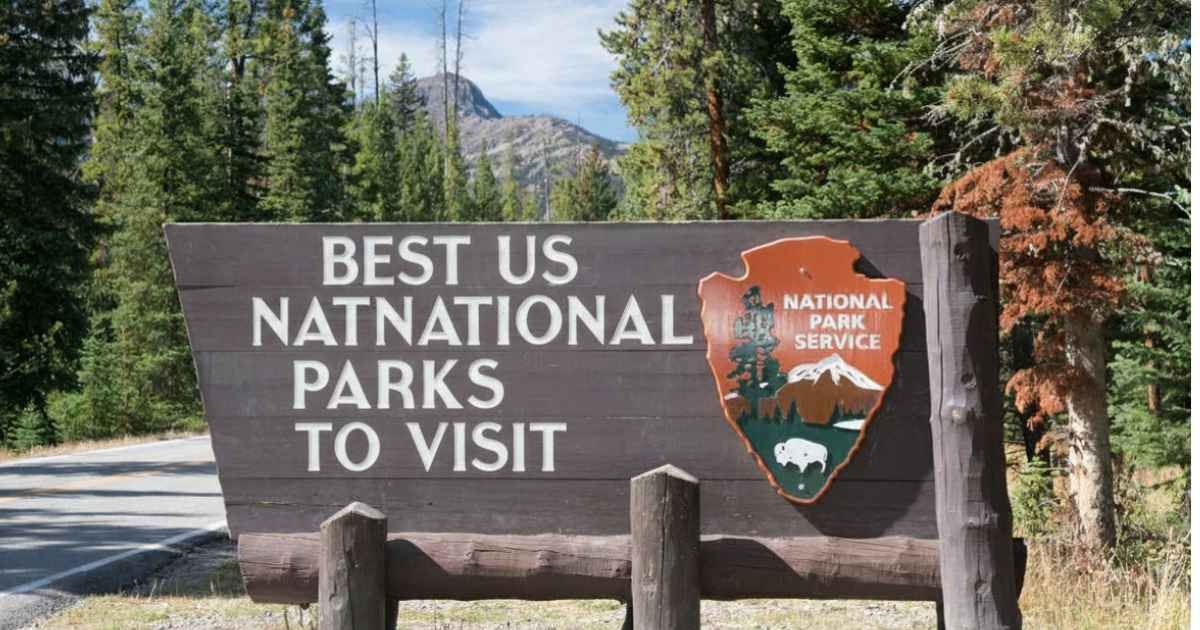
The US National Park Service manages 63 designated national parks. Only about a dozen consistently deliver a great trip for first-time visitors without careful planning. The other 50 either require serious backcountry skills, sit too remote for a normal vacation, or draw crowds so heavy the experience suffers.
I have visited 34 of them across the last 12 years, traveling solo, with family, and with photography groups. This guide covers which parks actually earn the trip, which ones deserve their hype, and which ones are quietly better than the famous names.
The National Park Service reported 331.9 million recreation visits in 2024, up from 325 million in 2023. Crowd management is now the biggest factor separating a great park trip from a frustrating one.
What actually makes a national park worth visiting
Ranking parks purely by scenery misses what makes a trip successful. After a decade of visits, the four factors that predict a great experience are trail variety, crowd density during your visit window, accommodation access, and how much windshield time separates the good stuff.
Yosemite is stunning, but if you arrive in July without a reservation you will spend three hours in traffic to reach the valley. Great Sand Dunes in Colorado is nearly as scenic and 90% less crowded, at the cost of being less famous.
The parks below are chosen on that combined scoring, not just Instagram value.
The National Park Service’s timed-entry system now applies to Rocky Mountain, Arches, Glacier, Yosemite, Mount Rainier (Sunrise section), and parts of Zion during peak season. Reservations open in blocks, some 90 days ahead and some just 24 hours ahead. Plan around this or arrive frustrated.
The 10 best US national parks to visit in 2026
Ranked by combined score of scenery, accessibility, crowd management, and first-timer suitability.
1. Grand Canyon National Park (Arizona)
The most iconic view in North America and still worth the trip. Nearly 4.9 million visitors in 2024, but the crowds concentrate at Mather Point on the South Rim. Walk 15 minutes in either direction and you have viewpoints nearly to yourself.
Best time to visit: April to May, September to October.
Insider tip: Skip the peak-hour parking chaos by using the free shuttle from Tusayan. Book the historic El Tovar Lodge 13 months out if you want to sleep on the rim.
2. Zion National Park (Utah)
The most beginner-friendly bucket-list park in America. The main canyon shuttle system means you cannot drive Zion Canyon Road in high season, which sounds annoying but massively improves the experience.
Best time to visit: March to May, October to November.
Angel’s Landing now requires a permit lottery ($6 entry). Apply 4 months ahead. The Narrows does not require a permit for the day hike from the bottom.
Where to stay: Springdale (just outside the entrance) has the best access. Book by January for summer stays.
3. Yellowstone National Park (Wyoming, Montana, Idaho)
The greatest wildlife viewing park in the lower 48. Bison, wolves, grizzlies, and elk in real herds, not zoo settings. The geothermal features (Old Faithful, Grand Prismatic, Mammoth Hot Springs) are unmatched globally.
Best time to visit: Late May to June, September.
Where to stay inside: Book Yellowstone Lodges 12 to 13 months ahead through Xanterra. Old Faithful Inn is the classic pick. Outside options in Gardiner (north) or West Yellowstone (west) fill fast too.
4. Glacier National Park (Montana)
The most breathtaking park you have probably not visited. Going-to-the-Sun Road ranks among the world’s great scenic drives, weaving 50 miles across the Continental Divide.
Best time to visit: Mid-July to early September when the entire road is open.
Timed entry: Required for vehicle access to Going-to-the-Sun Road, Many Glacier, North Fork, and Two Medicine. Book at recreation.gov 120 days ahead.
Where to stay: Many Glacier Hotel or Lake McDonald Lodge for the classic experience. Both need booking 12 months in advance.
5. Great Smoky Mountains National Park (Tennessee, North Carolina)
The most-visited national park in the US, with over 12 million visits in 2024. Free to enter (the only major park with no entrance fee), family-friendly, and stunning in autumn.
Best time to visit: Mid-October for peak foliage, April to May for wildflowers.
Where to stay: Gatlinburg or Townsend for the Tennessee side. Cherokee, NC for the quieter southern entrance.
6. Acadia National Park (Maine)
Coastal beauty meets New England charm. Small enough to see the highlights in three days without feeling rushed. Sunrise from Cadillac Mountain is the first place in the US to see the sun from October through March.
Best time to visit: Late September to mid-October for foliage. Bar Harbor stays quieter in June before summer crowds arrive.
Cadillac Mountain summit requires a reservation ($6). Book 90 days ahead for sunrise slots.
7. Rocky Mountain National Park (Colorado)
Trail Ridge Road climbs to 12,183 feet, the highest continuous paved road in the US. Elk herds move through Estes Park nightly in September and October.
Best time to visit: Late June to September when Trail Ridge Road is open.
Timed entry required May through October. Two systems: Bear Lake Road corridor plus general park entry.
8. Olympic National Park (Washington)
Three ecosystems in one park: temperate rainforest, alpine peaks, and rugged Pacific coast. You can literally hike a rainforest in the morning and stand on a beach at sunset.
Best time to visit: July to September for reliable weather.
Where to stay: Kalaloch Lodge for coastal access. Log Cabin Resort near Lake Crescent. Book 6 to 12 months out.
9. Bryce Canyon National Park (Utah)
The hoodoo (rock spire) landscape looks otherworldly and photographs unlike anywhere else on Earth. Smaller than Zion and much less crowded despite proximity.
Best time to visit: May and September to October. Winter is magical if you can handle 30°F.
Pair it with Zion (2.5 hours away) for a proper Utah trip.
10. Great Sand Dunes National Park (Colorado)
The most underrated park in America. North America’s tallest sand dunes rise 750 feet against the Sangre de Cristo Mountains. Sled down them on a rented sandboard. Roughly 500,000 annual visitors versus Yellowstone’s 5 million.
Best time to visit: May to June, September to October.
The parks that get overhyped or underrated
Overhyped: Yosemite (August), Arches (midday), Grand Teton (without Yellowstone attached), Death Valley (any month over 100°F, which is most of them).
Underrated: North Cascades (WA), Congaree (SC), Black Canyon of the Gunnison (CO), Voyageurs (MN), Guadalupe Mountains (TX).
Most first-time visitors gravitate to the same six parks and miss extraordinary options that receive one-tenth the traffic.
Comparison: parks by trip type
| Trip Type | Top Pick | Runner-Up | Skip For This Trip |
|---|---|---|---|
| First national park visit | Zion | Grand Canyon | Denali |
| Family with young kids | Great Smokies | Acadia | Grand Canyon (edge safety) |
| Wildlife-focused | Yellowstone | Denali | Zion |
| Photography-focused | Bryce Canyon | Glacier | Great Smokies |
| Adventure/hiking | Glacier | Olympic | Hot Springs |
| Least crowded | Great Sand Dunes | North Cascades | Great Smokies |
| Winter travel | Death Valley | Big Bend | Glacier |
Common mistakes national park visitors make
Cramming too many parks into one trip. “Southwest loop” itineraries with Grand Canyon, Zion, Bryce, Arches, and Canyonlands in 7 days sound epic but result in windshield exhaustion. Pick 2 to 3 parks maximum and go deep on each.
Booking accommodations one month out for summer. Every in-park lodge and gateway hotel is booked 6 to 13 months ahead for June through August. Last-minute booking either fails or forces 90-minute drives from cheaper hotels.
Skipping the timed-entry reservation system. Multiple parks now require reservations. Showing up without one at Glacier, Rocky Mountain, or Yosemite means being turned away.
Underestimating altitude. Rocky Mountain, Grand Teton, and Yellowstone all have significant portions above 8,000 feet. Altitude sickness ruins vacations. Arrive a day early to acclimatize if you live at sea level.
Ignoring the shoulder seasons. May and September deliver 80% of the scenery with 40% of the crowds. Late September is arguably the best month for most western parks: cool weather, thin crowds, changing colors.
Practical planning: what to book and when
- 13 months ahead: In-park lodges (Yellowstone, Glacier, Grand Canyon, Yosemite).
- 6 months ahead: Gateway town hotels for summer travel.
- 4 months ahead: Timed entry permits (Angel’s Landing lottery, Half Dome lottery, Mount Whitney).
- 120 days ahead: Glacier vehicle reservations, Rocky Mountain timed entry.
- 90 days ahead: Cadillac Mountain sunrise, some Zion permits.
- 2 weeks ahead: Backcountry permits for less popular parks.
- The day of: Rain-or-shine backup plans and flexible dinner options.
Frequently asked questions
What is the number one national park to visit in the US?
For a first-time visitor prioritizing scenery, ease of access, and low fitness requirements, Zion National Park is the top pick. The Zion Canyon shuttle handles crowds well, the trails offer beginner to advanced options, and Springdale provides genuinely walkable accommodation right outside the entrance.
When is the best time to visit US national parks?
Late May to mid-June and September to mid-October offer the best combined weather, wildlife activity, and crowd levels for most western parks. Great Smoky Mountains peaks in mid-October for foliage. Death Valley and Big Bend are best from November to March. Avoid July peak-crowd periods where possible.
How much does a US national park trip cost?
A 5-day trip for two people typically runs $1,500 to $3,500 depending on park choice, flights, and lodging tier. In-park lodges cost $200 to $400 nightly. Gateway hotels run $150 to $300. Camping is $20 to $40 per night. The America the Beautiful annual pass at $80 covers park entry fees across all 63 national parks for a full year.
Can I visit multiple national parks in one trip?
Yes, but limit yourself to 2 or 3 with real depth rather than 6 with only surface-level stops. Good pairings include Zion + Bryce Canyon, Grand Teton + Yellowstone, and Sequoia + Kings Canyon (which share a boundary). Anything beyond 3 parks in 10 days becomes exhausting.
Do I need a reservation to enter national parks?
Some yes, some no. Timed entry currently applies to Glacier, Rocky Mountain, Arches, and portions of Yosemite, Zion, and Mount Rainier during peak season. Great Smokies and most other parks require no entry reservation. Check recreation.gov for your target park 3 to 6 months before travel.
What is the least crowded national park worth visiting?
Great Sand Dunes in Colorado, North Cascades in Washington, and Guadalupe Mountains in Texas all deliver national park-caliber experiences with 5% to 15% of Yellowstone’s crowds. Voyageurs in Minnesota offers a completely different water-based experience that most travelers never consider.
Are national parks safe for solo travelers?
Yes, for the most part. Bear safety, hydration, and altitude awareness matter more than crime risk. Popular parks are safer than most US cities. Solo hikers should share trip plans, carry the Ten Essentials (map, compass, sun protection, insulation, illumination, first aid, fire, repair, nutrition, hydration), and stick to marked trails on first visits.
Which national park has the best hiking for beginners?
Zion for scenic day hikes with genuine payoff (Riverside Walk, Emerald Pools, Watchman Trail). Great Smoky Mountains for beginner-friendly forest hikes. Acadia for coastal and forest hikes under 3 miles. All three offer well-marked trails suitable for kids and casual hikers.
Do I need a 4WD vehicle for national parks?
Not for the parks in this guide. Every road mentioned is paved and passable in a standard sedan or SUV. 4WD becomes relevant for backcountry areas of Death Valley, Canyonlands’s Maze District, and Denali’s Park Road (which requires shuttle buses anyway).
Book one trip, do it well
The best national park in the US is the one you actually visit, not the one you keep researching. Every park in this guide has delivered incredible trips for millions of visitors in 2024 and 2025.
If you can only pick one for 2026, choose based on your fitness, group makeup, and travel dates. Zion for first-timers. Yellowstone for wildlife. Glacier for jaw-drops. Great Sand Dunes if you want to see something almost no one else does.
Book now: Pick one park from this list, open recreation.gov, and check accommodations and timed-entry requirements for your target dates. If in-park lodging is available, book it today. Every day you wait costs you the best rooms.
Walk away with a new outlook—our top-tier posts speak to curious minds everywhere.
