

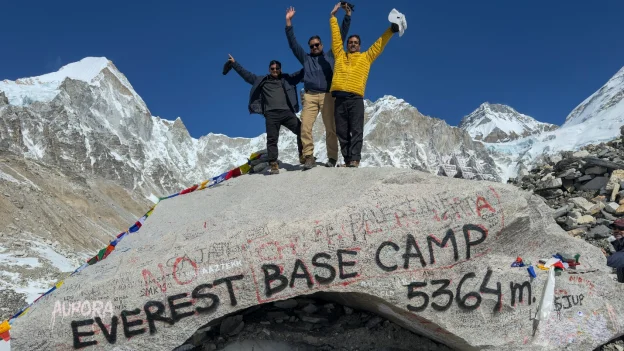
Everest base camp trek is one of the most popular trekking in the world. The foot of Mount Everest, the great view of snow-capped peaks, Khumbu icefall, Khumbu glacier and Sherpa people are the major attractions of this trekking. There are many local trekking companies like the Everest treks and Mission Summit Treks in Nepal that arrange the trekking in Everest region. Beside the attractions, there are some challenges that makes Everest base camp trek difficult. These challenges make the Gokyo lake trek and Everest Cho La Pass trek also difficult. Thus, this article tends to give a detailed information of Everest base camp trek difficult.
Difficulties of Everest base camp
- Altitude sickness
- Trekking route
- Weather
- Accommodation
- Medical treatment
Altitude sickness
Altitude sickness is one of the major difficulties of EBC trek. It is a sickness that occurs due to gaining elevation in short period of time. The altitude sickness is of three types:
Acute mountain sickness: The sickness due to low atmospheric pressure and low oxygen in the environment is called acute mountain sickness.
High altitude pulmonary edima: The condition of accumulation of fluid on lungs due to altitude sickness is called high altitude pulmonary edima.
High altitude cerebral edima: The condition of accumulation of fluid on brain due to altitude sickness is called high cerebral edima.
It can occur anytime to any trekkers either they are experienced or new. Altitude sickness symptoms should not be neglected otherwise we may loss our life.
The major symptoms of altitude sickness are:
- Severe headache
- Experience of nausea or vomiting
- Dizziness
- Weakness
- loss of appetite
- lack of sound sleep
- Difficulty in breathing
The preventive measures of altitude sickness
- Drinking plenty of water
- Walking slowly and gaining less elevation in a single day (less than 400 m)
- Acclimatization
- Using a Diamox tablet
- Returning to lower elevation if we face any symptoms
Trekking route
We should cover around 130 km distance to reach Everest base camp. The trekking route itself is a challenge of this trekking. The route from Phakding to Namche and Pungi-thanga to Tengboche is the most difficult trail of this trekking. Ascending trail with increasing elevation is the major difficulty during the trek. Lobuche to Gorekshep to Everest base camp is also a trekking trail where we should walk on rocky path. The big builders and risk of falling rocks on some places are risk as well.
Weather
Lukla flight is completely dependent in weather. If the visibility is not clear and hills around Lukla is covered by fog then the flight will be delayed or postpone for another day. Thus, weather is one of the difficulties of the trek as bad weather can ruin the trek and make us to stay long in airport. Sometime we may have to wait long on the airport in Kathmandu and return to hotel due to bad weather.
Accommodations
There are limited tea houses in particular places like Gorekshep, Lobuche, Phungithanga, Thukla, Pheriche and Tengboche. Therefore, we should have prebooking for getting room on peak season. The blanket available in room maynot be sufficient to overcome the cost so we should use sleeping bag in higher altitude. Thus, getting good room is also a challenge in EBC trek.
Medical treatment
There are general clinics in some trekking destinations where we cannot get good health facilities as in hospitals. We should take evacuation if we need some medical emergencies. The difficulty in getting treatment and evacuation as soon as possible are some challenges in Everest region. It is essential to take medical insurance so that we can get evacuation on time.
Conclusion
Everest base camp trek difficulty varies from people to people. Same route can be easy for one and difficult for other. Same food can be tasty for one and not good for other. The beds of tea house maynot be comfortable for all. Thus, beside altitude sickness and weather, the difficulties varies on people’s lifestyle, age and experience. If you are planning for trekking in Everest region then choose mission summit treks for the best management of the trek and make it successful.
Disclaimer: The information provided in this article is for general informational and travel planning purposes only. Trekking conditions, altitude risks, and weather patterns in the Everest region are subject to change. Readers should consult licensed trekking agencies and medical professionals before undertaking any high-altitude trek. The mention of Mission Summit Treks does not imply endorsement. The author and publisher disclaim all liability for any injuries, altitude sickness, flight disruptions, or other consequences arising from reliance on this content. Always trek with proper acclimatization, comprehensive travel insurance, and an experienced guide.
Explore the topics that matter to you—our curated deep dives keep you truly informed and inspired.
