





Wollmatten: Sustainable Wool Mats for Every Home
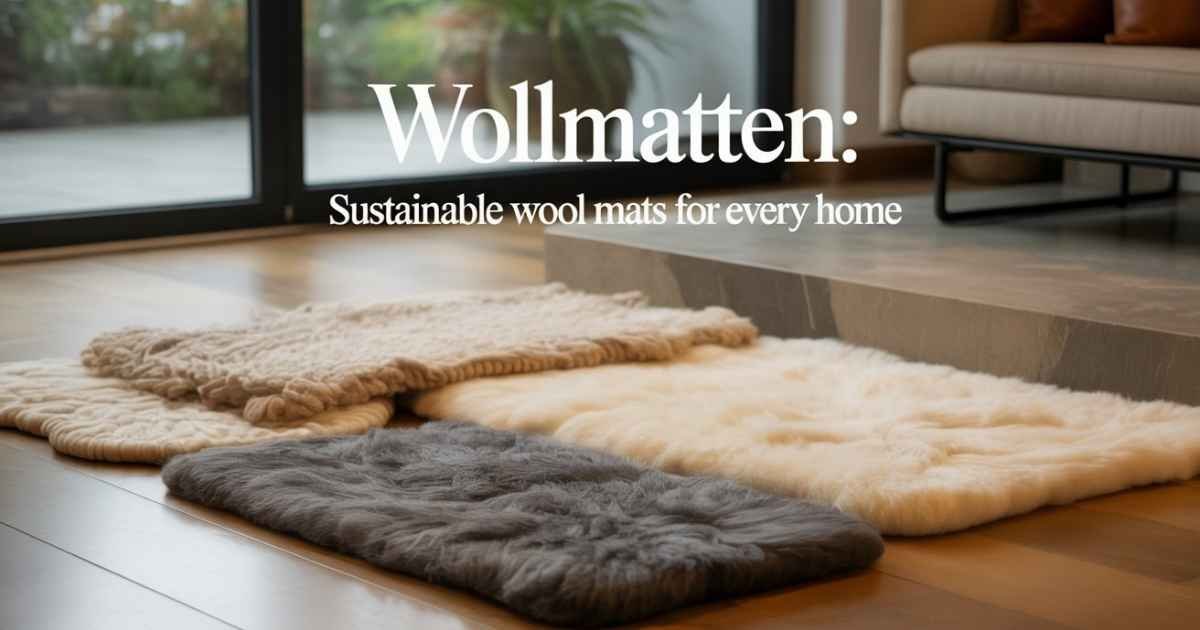
Wollmatten, or wool mats, stand at the intersection of traditional craftsmanship, modern design, and eco-conscious living. These floor coverings, made from natural sheep wool, are celebrated worldwide for their insulating properties, breathability, hypoallergenic benefits, and sustainability. The charm of Wollmatten goes far beyond their functional role in interiors; they bring an air of luxury, comfort, and timeless elegance to any space, all while being environmentally friendly.
This comprehensive guide offers a deep dive into Wollmatten, exploring their history, manufacturing processes, types, health benefits, sustainable sourcing practices, and innovative technologies behind their production. By the end, you’ll have a fully rounded understanding of why Wollmatten remain one of the most sought-after floor coverings today.
Ready to grow? Find knowledge that empowers you.
What Exactly Are Wollmatten?
Wollmatten are floor mats made from 100% natural wool fibers sourced from sheep. These mats are crafted with a focus on durability, comfort, and eco-friendliness. Wool is a renewable, biodegradable, and hypoallergenic material, offering unique benefits that synthetic mats simply cannot match.
Wool naturally regulates temperature, keeping homes warm in winter and cool in summer. It also excels at absorbing moisture, which keeps spaces dry and free from mold, unlike synthetic mats that trap moisture and create unhealthy indoor environments. The unique structure of wool fibers also allows for air circulation, improving the indoor air quality.
Key Benefits of Wollmatten:
| Feature | Wollmatten (Wool) | Synthetic Mats |
|---|---|---|
| Material Source | Natural (Sheep Wool) | Petroleum-based |
| Breathability | High | Low |
| Thermal Insulation | Excellent | Moderate |
| Sound Absorption | High | Low |
| Durability | Long-lasting | Shorter lifespan |
| Sustainability | Biodegradable | Non-biodegradable |
| Indoor Air Quality | Improves | May emit VOCs |
| Moisture-Wicking | Excellent | Low |
Historical Significance and Cultural Roots of Wollmatten
The significance of wool and its transformation into mats spans back thousands of years. Early civilizations recognized wool as an essential material for creating textiles that provided warmth, comfort, and protection. The ancient Mesopotamians, Persians, and Scandinavians were among the first to weave wool into mats for functional and ceremonial purposes.
As trade routes expanded, the wool mat-making tradition traveled across continents. The Persian carpets, Alpine wool mats, and Scandinavian rugs became iconic symbols of cultural identity. These mats were often woven with intricate patterns, which not only reflected regional aesthetics but also told stories of family lineage, tribal heritage, and spiritual beliefs.
The Industrial Revolution marked a pivotal moment in the wool mat industry. The mechanization of weaving allowed for mass production, making wool mats affordable for the masses. Despite this, artisan-crafted mats have continued to thrive, especially in niche markets that value quality, heritage, and sustainability.
The Detailed Crafting Process of Wollmatten
Creating a high-quality Wollmatte involves a multi-step process that blends traditional craftsmanship with modern technology. Each stage of production is meticulously carried out to ensure the wool mat retains its durability, comfort, and eco-friendly properties.
- Sourcing the Wool: The wool used in Wollmatten is sourced from sustainable sheep farming practices. Responsible wool certification ensures that the wool is harvested in a manner that protects animal welfare and supports environmental conservation efforts. Farms often use rotational grazing techniques to promote soil health and reduce the environmental impact of farming.
- Cleaning: Raw wool is cleaned to remove lanolin (a natural oil), dirt, and debris. This process is vital for maintaining the softness and quality of the wool fibers.
- Carding and Spinning: Once cleaned, the wool is carded to align the fibers and then spun into yarn. The spinning process can vary, with some manufacturers opting for hand-spun yarns to create a more textured and unique mat.
- Dyeing: Eco-friendly dyes are used to color the wool. These dyes are plant-based and non-toxic, ensuring that the final product is as environmentally responsible as possible.
- Weaving and Finishing: The wool can either be woven by hand or machine, depending on the desired style and budget. For high-end mats, handwoven techniques are often used, providing intricate detailing and artistic flair. The mats are finished with edge binding, shearing, and backing to add to their durability, appearance, and texture.
Types of Wollmatten: Tailored to Your Needs
Wollmatten come in a wide range of styles, sizes, and functions to meet a variety of aesthetic and functional needs.
By Thickness:
- Thin Mats: These mats are perfect for modern spaces, offering light coverage and enhanced breathability. They are ideal for areas such as hallways or kitchens, where a minimalist design is desired.
- Thick Mats: Offering greater comfort and insulation, thick mats are perfect for living rooms, bedrooms, and other high-traffic areas. They provide a soft, cushiony feel underfoot, making them ideal for places where comfort is key.
By Function:
- Decorative Mats: These mats focus primarily on aesthetic value, often featuring intricate designs and rich colors that can transform any room.
- Functional Mats: These include yoga mats, soundproof mats, and mats designed to offer thermal insulation or acoustic treatment in larger commercial spaces.
By Crafting Method:
- Handwoven: These mats are crafted by skilled artisans and often feature unique, one-of-a-kind designs, which showcase the artistry and cultural heritage behind each mat.
- Machine-made: These mats are more uniform and consistent, ideal for larger-scale production and more affordable options.
- Felted: Felted wool mats are thicker and denser, offering high durability and insulation, making them ideal for high-traffic areas such as entryways or commercial spaces.
The Health and Environmental Benefits of Wollmatten
In addition to their aesthetic appeal, Wollmatten provide several health benefits and contribute to a cleaner environment:
- Improved Indoor Air Quality: Wool is naturally moisture-wicking, which prevents the buildup of mold and mildew, creating a healthier indoor environment.
- Hypoallergenic: Wollmatten’s natural properties help reduce the presence of allergens like dust mites, mold, and bacteria, making them a healthier option for homes with children, pets, or allergy sufferers.
- Temperature Regulation: Wool mats maintain a comfortable temperature by absorbing and releasing moisture, ensuring warmth during colder months and cooling during hotter months.
- Sustainable Living: Wool is a renewable and biodegradable resource, offering a more eco-friendly alternative to synthetic mats. By choosing Wollmatten, you’re helping reduce plastic waste and carbon footprints.
- Durability: Wollmatten are incredibly long-lasting, with fewer replacements needed compared to synthetic alternatives. Their lifespan can be further extended with proper care.
How to Care for Your Wollmatten
To extend the life of your Wollmatten and preserve its beauty, proper care is essential. Here are some maintenance tips:
- Regular Vacuuming: Use a vacuum cleaner with a brush attachment to prevent the buildup of dirt and dust.
- Spot Cleaning: For spills, blot the area with a damp cloth instead of rubbing to avoid damaging the fibers.
- Deep Cleaning: For a more thorough clean, use a mild wool-safe detergent. It’s best to test any cleaning solution on a small area first to avoid any damage.
- Sunlight Protection: UV rays can weaken and fade wool fibers. Keep your mats out of direct sunlight to preserve their color.
- Rotation: Rotate your mats regularly to ensure even wear, especially in high-traffic areas.
FAQs
1. Can Wollmatten help with soundproofing?
- Yes, wool mats naturally absorb sound, making them ideal for reducing noise in apartments, offices, and other noisy spaces.
2. Are Wollmatten a good choice for homes with pets?
- Absolutely! Wool is hypoallergenic and resistant to bacteria, making it perfect for homes with pets. Regular cleaning ensures long-term use.
3. Can I use Wollmatten on heated floors?
- Yes, Wollmatten are an excellent choice for heated floors due to their natural temperature-regulating properties.
4. How long do Wollmatten last?
- Due to the durability of wool, these mats last for many years, often outlasting synthetic alternatives. Their lifespan can be further extended with proper care.
5. Are there any sustainable certifications for Wollmatten?
- Yes, many manufacturers of Wollmatten are certified under ethical wool standards, such as Responsible Wool Standard (RWS), ensuring sustainable and ethical sourcing.
Conclusion
Wollmatten are more than just floor coverings—they are an investment in style and sustainability. With their unmatched durability, health benefits, and aesthetic appeal, Wollmatten continue to be an excellent choice for eco-conscious consumers looking to enhance their living spaces. Whether you’re interested in the thermal insulation benefits, sound absorption, or the hypoallergenic properties of these mats, Wollmatten offer a perfect combination of style and practicality.
By choosing Wollmatten, you’re making a sustainable choice that supports ethical production while creating a comfortable and beautiful home environment. Ready to elevate your space with the timeless elegance of wool mats? Explore the world of Wollmatten today and discover how these floor coverings can transform your home for years to come.
Stay informed, stay ahead—your guide to expert insights.