







Palentu: Complete History, Recipe & Cultural Guide
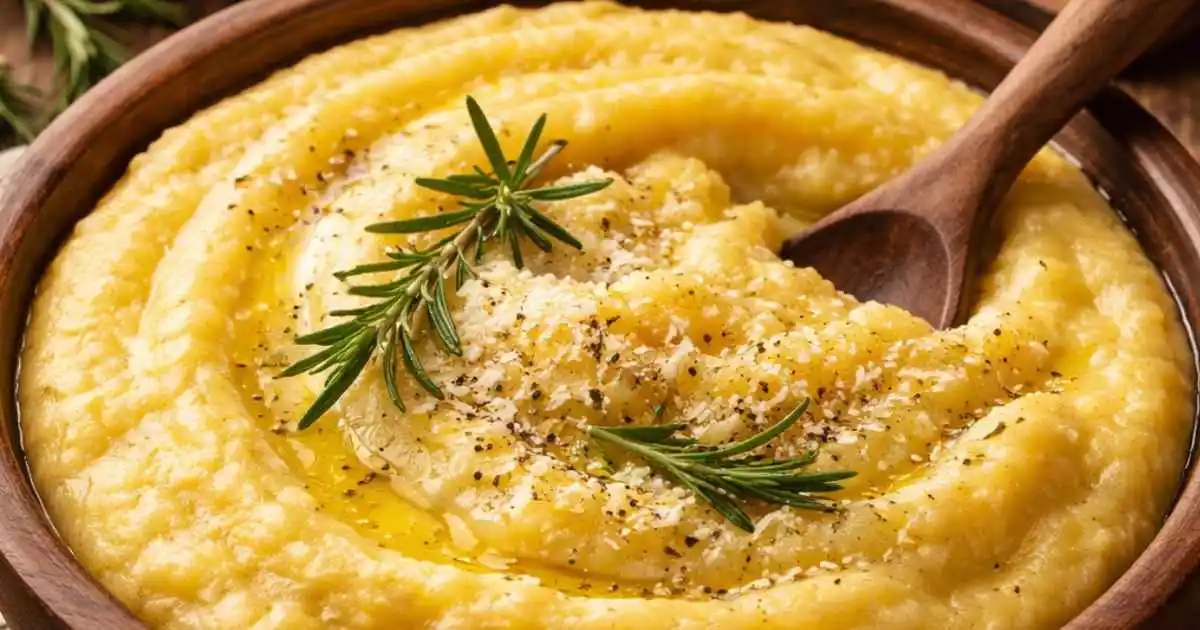
Palentu, often recognized as a regional pronunciation and spelling variation of polenta, is a traditional cornmeal preparation with deep agricultural and cultural roots. At its most basic level, it consists of ground maize slowly cooked in liquid until thickened. Yet this modest description does not capture its long history of rural adaptation, economic practicality, and culinary evolution across Europe.
Unlike elaborate dishes associated with wealth or courtly cuisine, palentu emerged from farming communities that depended on dependable staple crops. It was shaped by seasonal cycles, land use patterns, and the need to feed large households efficiently. Over generations, it became more than sustenance; it became part of regional identity and domestic tradition.
Today, palentu remains relevant not only as a heritage food but also as a versatile culinary foundation. Its adaptability allows it to function equally well in traditional kitchens and contemporary gastronomy, reflecting the enduring importance of staple grains.
Explore ideas that challenge and inspire—unlock new perspectives today.
Agricultural Origins and Historical Development
Pre-Maize Grain Traditions
Before maize was introduced to Europe, rural populations relied heavily on barley, millet, rye, and spelt to prepare thick porridges. These grain-based meals were economical and required only simple tools such as a pot, water, and heat. Bread-making required advanced milling and baking facilities, which were not always accessible in agrarian regions.
These early porridges followed a consistent technique: ground grain was gradually added to boiling liquid and stirred continuously. The method ensured even hydration and thickening, creating a filling and cohesive dish. This cooking structure later transferred directly to maize preparations.
Common features of early European porridges included high caloric value, long simmering time, simple seasoning, and adaptability to vegetables or dairy. When maize replaced earlier grains, it preserved the same culinary framework.
Maize Adoption and Agricultural Expansion
Maize arrived in Europe in the late fifteenth century and gradually spread across fertile regions such as northern Italy and parts of Eastern Europe. Farmers quickly recognized its productivity and storage advantages. Compared to some traditional cereals, maize offered reliable yields and efficient preservation in dried form.
Its affordability made it especially attractive to rural households facing economic limitations. As populations expanded, maize supported increased food demand without requiring significantly more cultivated land. Over time, cornmeal dishes became central to daily life in many farming communities.
The adoption of maize was encouraged by strong crop yield, storage durability, economic accessibility, and adaptability to varied climates. Through these factors, palentu became firmly established as a rural staple.
Preparation Techniques and Culinary Structure
Traditional Slow-Cooking Method
Traditional preparation of palentu begins by bringing water or broth to a steady boil before gradually adding cornmeal while stirring continuously. This controlled incorporation prevents clumping and ensures smooth consistency. Constant stirring distributes heat evenly and prevents sticking.
Cooking may last forty minutes or longer, particularly when coarse-ground cornmeal is used. Historically, copper or cast-iron pots were preferred because they maintained steady heat. The objective was to transform granular meal into a thick, cohesive mass.
Key elements of preparation include gradual incorporation, steady simmering, continuous agitation, and sufficient cooking time. Although the ingredient list is minimal, the technique requires patience and attention.
Texture Variation and Structural Control
The transformation from dry cornmeal to palentu occurs through starch gelatinization. As heat is applied, starch molecules absorb water and expand, thickening the mixture. This chemical process defines the final texture.
Texture can range from creamy to firm depending on the ratio of liquid to cornmeal. A higher liquid proportion produces a soft consistency suitable for spoon serving, while reduced liquid allows the mixture to firm upon cooling. Firm palentu can then be sliced and grilled.
Factors influencing texture include grind size, liquid ratio, cooking duration, and heat stability. Small adjustments in these variables create distinct results from the same foundational ingredient.
Cultural Significance and Social Identity
Communal Preparation and Shared Meals
In rural communities, preparing palentu was often a shared task. Large pots required consistent stirring, and multiple family members participated. This cooperation reinforced household unity and strengthened social bonds.
Serving customs reflected communal values. In some regions, the thickened mixture was poured onto wooden boards and divided among diners. Eating from a shared surface emphasized equality and collective identity.
Cultural dimensions associated with this practice include intergenerational teaching, shared domestic labor, collective dining rituals, and reinforcement of community cohesion. Food preparation served both nutritional and social functions.
From Rural Necessity to Culinary Heritage
Historically, palentu symbolized practicality rather than prestige. Because maize was affordable and abundant, the dish became linked to economic efficiency. Over time, however, perceptions shifted.
Today, traditional foods are often celebrated as expressions of authenticity and heritage. Palentu now represents agricultural continuity and regional pride. Restaurants and households preserve it not as a symbol of scarcity but as a tribute to resilience and craftsmanship.
This transformation highlights changing social values, appreciation of historical continuity, revival of traditional recipes, and recognition of simple ingredients as culturally significant.
Nutritional Profile and Dietary Relevance
Macronutrient Composition
Plain cooked palentu consists primarily of complex carbohydrates, providing steady energy release. It contains modest protein and minimal fat when prepared without added dairy or oils. Because it is derived from corn, it is naturally gluten-free.
Approximate nutritional values per 100 grams cooked include 70 to 90 calories, 15 to 18 grams of carbohydrates, 1 to 2 grams of protein, minimal fat, and small amounts of fiber. Historically, this energy density supported labor-intensive agricultural lifestyles.
Balanced Integration in Modern Diets
Although palentu offers satiety and energy, it does not provide complete nutritional balance alone. In the past, limited dietary diversity sometimes resulted in imbalances when maize dominated daily intake.
Modern dietary practice encourages pairing palentu with vegetables, legumes, dairy, or lean proteins to improve nutritional diversity. Olive oil and herbs enhance both flavor and micronutrient variety.
Balanced combinations may include leafy greens, beans or lentils, fermented dairy, and seasonal vegetables. This approach preserves tradition while aligning with contemporary nutritional awareness.
Modern Culinary Applications and Sustainability
Contemporary Culinary Adaptations
In modern kitchens, palentu appears in multiple forms. Creamy preparations serve as bases for braised meats or roasted vegetables, while firm versions are cooled and sliced for grilling or frying. Its mild flavor makes it adaptable across cuisines.
Chefs appreciate its ability to absorb sauces and seasonings. Whether served in rustic settings or refined environments, it remains versatile and relevant.
Modern uses include grilled slices, baked layered dishes, crisp fried portions, and plant-based adaptations. Its flexibility ensures ongoing culinary significance.
Sustainability and Food System Perspective
Corn remains one of the most widely cultivated crops worldwide, contributing to food security across diverse regions. Minimal processing of cornmeal aligns with whole-food principles and sustainable cooking practices.
Palentu fits within modern discussions focused on affordable staple ingredients, seasonal sourcing, agricultural continuity, and reduced reliance on heavily processed products. In this context, it bridges historical farming practices with contemporary sustainability concerns.
FAQs About Palentu
Is palentu different from polenta?
The difference lies mainly in regional pronunciation or spelling rather than preparation or ingredients.
What determines whether it is creamy or firm?
Liquid ratio and cooking duration influence the final texture.
Can it be prepared in advance?
Yes, it can be cooled, stored, and reheated as needed.
Is it gluten-free?
Yes, because cornmeal does not contain gluten.
Conclusion
Palentu reflects the intersection of agriculture, culture, and culinary technique. Emerging from Europe’s tradition of boiled grains, it adapted to maize cultivation and sustained rural populations for centuries. Its evolution from subsistence staple to respected heritage dish demonstrates the resilience of simple foods.
Though composed of only grain and liquid, palentu carries historical, social, and nutritional significance. Its continued presence illustrates how foundational foods remain relevant when they combine practicality with adaptability.
Build momentum toward success—unlock practical guidance here.