










Blazertje Sustainable Blazers for Modern Fashion
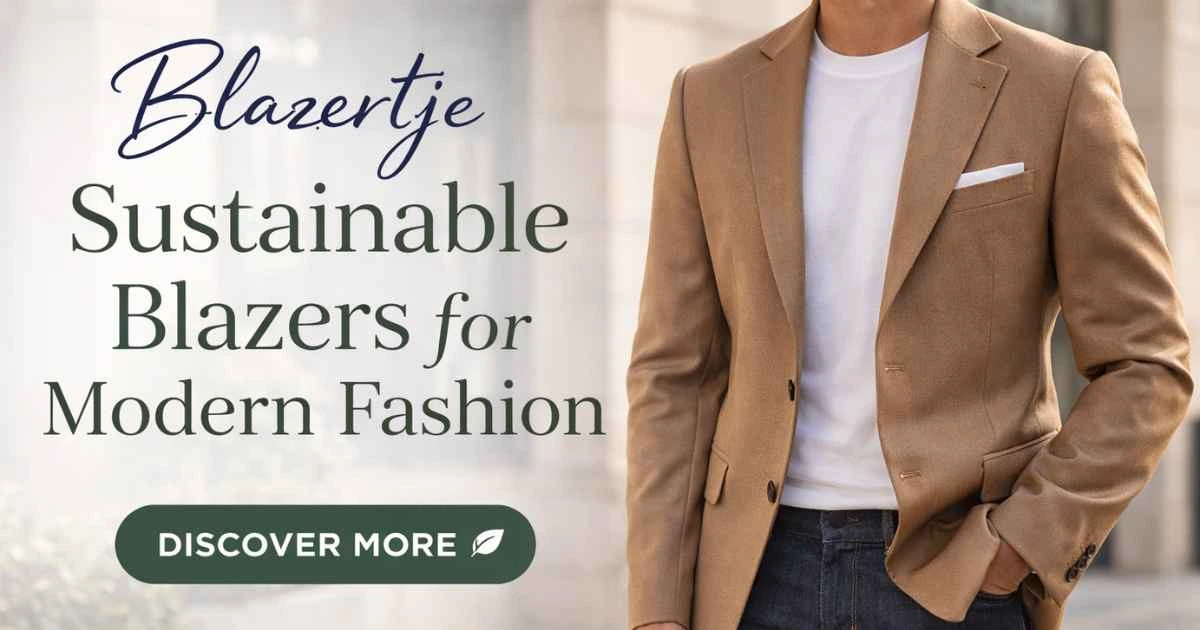
Blazertje represents a shift in modern fashion where quality, responsibility, and long-term value replace fast-moving trends. Instead of designing garments for temporary attention, the brand focuses on creating blazers that function as durable wardrobe foundations. This approach reflects a growing awareness among consumers who want clothing that aligns with both personal style and environmental responsibility. By combining structural tailoring, responsible material sourcing, and controlled production, Blazertje positions its blazers as investment pieces rather than seasonal purchases.
Transform your ambitions into action—unlock smart strategies here.
The Importance of Sustainable Fashion
Why the Fashion Industry Needed Change
The global fashion industry has long operated on rapid production cycles that prioritize speed and volume. While this model increased accessibility, it also intensified environmental strain. Textile manufacturing requires significant water usage, chemical processing, and energy consumption. When garments are worn only briefly before replacement, these environmental costs multiply.
The shift toward sustainable fashion emerged as a response to these systemic challenges. Consumers now recognize that extending garment lifespan is one of the most effective ways to reduce waste and resource consumption. Choosing durable clothing reduces production frequency and lowers overall environmental impact.
How Conscious Consumer Behavior Is Reshaping Fashion
Modern consumers are becoming more intentional about their purchases. Rather than updating wardrobes with every trend cycle, many are investing in versatile pieces that remain relevant over time. This behavioral shift encourages brands to prioritize quality and transparency.
Sustainable fashion supports this change by promoting long-term value over short-term appeal. Blazertje aligns with this movement by designing blazers that integrate durability, ethical production, and timeless style into one cohesive product.
Blazertje’s Approach to Sustainability
Responsible Material Selection
Material choice plays a central role in sustainable garment design. Blazertje evaluates fabrics not only for appearance but also for durability, breathability, and environmental efficiency. Organic blends and responsibly sourced fibers are selected when they meet structural performance standards.
By prioritizing strong fiber composition and shape retention, the brand ensures that each blazer maintains its structure over repeated wear. Long-lasting materials reduce the need for frequent replacement, supporting environmental responsibility.
Ethical Manufacturing and Production Discipline
Sustainability extends beyond fabric selection to include ethical production practices. Blazertje collaborates with manufacturing partners who maintain safe working environments and transparent supply chains. Fair labor standards and structured production timelines contribute to consistent garment quality.
The brand also avoids overproduction by aligning output with realistic demand. Controlled manufacturing volumes reduce surplus inventory and prevent unnecessary waste. This measured approach strengthens both environmental and operational stability.
The Versatility of a Blazer as a Wardrobe Staple
A Foundation for Multiple Styling Contexts
A well-constructed blazer is one of the most adaptable pieces in a modern wardrobe. It transitions seamlessly from professional settings to casual environments without losing structure or elegance. This versatility reduces the need for additional specialized garments.
Blazertje designs emphasize balanced tailoring and neutral palettes, allowing the blazer to integrate effortlessly into various outfits. Whether paired with tailored trousers, denim, or layered over dresses, the garment maintains a polished presence.
Supporting Capsule Wardrobe Principles
Capsule wardrobes focus on fewer, higher-quality garments that coordinate easily. A structured blazer plays a central role in this strategy because it multiplies outfit combinations without expanding inventory.
By investing in one durable piece, consumers simplify wardrobe planning and reduce unnecessary consumption. Versatility becomes a practical sustainability advantage.
Structural Tailoring and Long-Term Durability
Engineering Precision for Shape Retention
The longevity of a blazer depends heavily on internal construction. Reinforced shoulders, balanced lapel proportions, and precise seam alignment prevent distortion over time. Blazertje integrates structural elements that preserve silhouette clarity through repeated use.
Attention to internal support ensures that the garment maintains its refined appearance even after extended wear. Tailoring precision transforms the blazer into a reliable long-term investment.
Designing for Everyday Use
A sustainable blazer must withstand real-world movement. Flexible armhole construction, breathable lining, and reinforced stitching support daily professional wear and travel. These features enhance comfort while maintaining structural stability.
Designing for frequent use increases cost efficiency and practical value. When a blazer performs consistently across environments, it strengthens wardrobe reliability.
Economic Value and Cost Efficiency
Understanding Cost Per Wear
A higher initial price does not necessarily mean higher long-term expense. A durable blazer worn over several years often proves more economical than a lower-priced alternative replaced annually.
| Factor | Durable Blazer | Short-Term Alternative |
|---|---|---|
| Lifespan | 4 Years | 1 Year |
| Replacement Rate | Low | High |
| Waste Output | Minimal | Significant |
| Long-Term Expense | Stable | Increasing |
Cost-per-wear analysis highlights how longevity supports financial stability.
Reducing Consumption Through Quality
Investing in durable garments reduces the need for frequent purchasing. Fewer replacements mean lower production demand and reduced environmental impact.
By designing blazers that remain relevant across seasons, Blazertje supports a wardrobe strategy based on stability rather than constant renewal.
Care, Maintenance, and Responsible Ownership
Extending Garment Lifespan
Sustainability continues after purchase. Proper maintenance habits help preserve shape and fabric integrity. Gentle steaming, structured hangers, and limited washing cycles extend usability.
Small care decisions significantly influence long-term durability. Extending lifespan by even one additional year reduces environmental strain.
Encouraging Intentional Wardrobe Building
Responsible fashion depends on consumer behavior. Selecting timeless pieces, avoiding impulse trends, and repairing minor wear all contribute to wardrobe stability.
Blazertje supports intentional ownership by creating blazers designed for continuity rather than disposal. This mindset reinforces long-term sustainability.
Conclusion
Blazertje redefines the blazer as a durable structural garment instead of a seasonal trend. Through responsible materials, ethical production, and precision tailoring, the brand aligns sophistication with sustainability.
A thoughtfully engineered blazer becomes a dependable wardrobe foundation, a financially intelligent investment, and a reflection of conscious style. As fashion evolves, stability and durability will define value more effectively than speed or volume ever could.
Expand your skills with focused insights—begin reading today.